- TradFi-DeFi Report
- Posts
- TraderTraitor Unveiled
TraderTraitor Unveiled
Lessons from the $1.5 Billion North Korean Crypto Bybit Heist

Antoinette Rodriguez, MBA
March 07, 2025
Cybersecurity isn’t just about technology; it’s also about processes, people, and governance.”
Tonya Ugoretz
Friend or Foe? Strengthening Cybersecurity in a World of Digital Threats
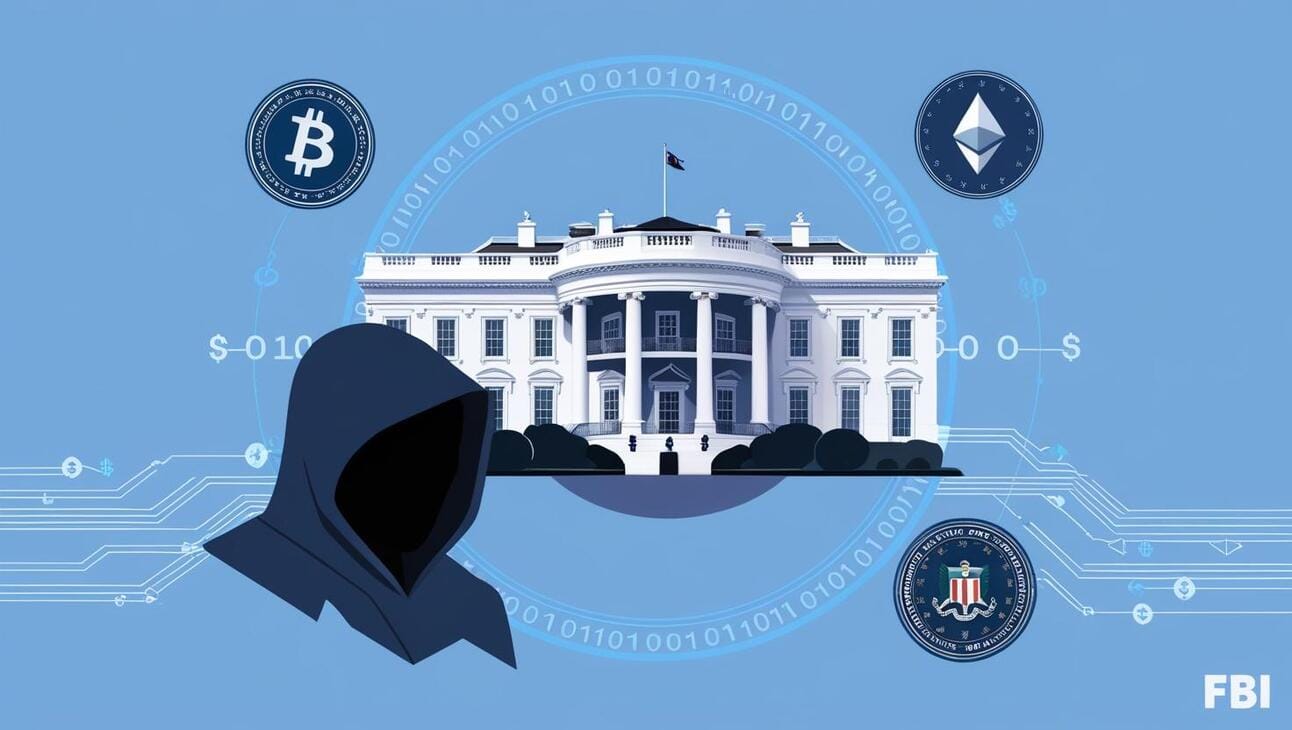
As digital finance leaders convene at the White House Crypto Summit today, a critical question emerges: How can nations ensure robust cybersecurity in an increasingly interconnected digital economy? This urgency stems from February’s unprecedented $1.5 billion Bybit hack by North Korea’s TraderTraitor group, exposing vulnerabilities in cryptocurrency systems and highlighting the growing geopolitical risks tied to digital assets. The summit focuses on domestic collaboration among U.S. government officials, regulators, and crypto executives to strengthen national leadership in innovation while addressing these pressing security challenges.
Context: A New Era of Crypto Governance
The Bybit hack—executed by North Korea's Lazarus Group—represents the largest crypto theft in history and highlights a critical flaw in cybersecurity practices. Using sophisticated methods such as phishing and supply chain compromises, hackers infiltrated Bybit’s systems during a routine transfer between wallets, stealing $1.5 billion in Ethereum1115. The FBI has since issued advisories urging exchanges, DeFi platforms, and blockchain analytics firms to block transactions linked to TraderTraitor addresses9.
This breach coincides with President Trump’s push for a Strategic Bitcoin Reserve and regulatory frameworks aimed at fostering innovation while mitigating risks34. Yet, as nations like North Korea weaponize blockchain technology to fund illicit activities—including nuclear programs—the need for international cooperation has never been more pressing713.
Analysis: The Intersection of Cybersecurity and Geopolitics
The Bybit hack is not an isolated incident but part of a broader pattern of state-sponsored cybercrime. Since 2017, North Korea has stolen over $6 billion in cryptocurrency through attacks on exchanges and DeFi protocols15. These operations leverage blockchain’s pseudonymous nature to obscure funds via decentralized exchanges (DEXs) and cross-chain bridges16.
Lessons for Investors and Institutions:

You've Reached the End of the Preview.
This analysis is for premium subscribers only. Subscribe now to unlock the full report, the complete content archive, audio articles, and the strategic edge you need.
Already a paying subscriber? Sign In.
A subscription gets you:
- • Weekly Deep-Dive Analysis: Receive our flagship 2,000+ word strategic report every week, delivered directly to your inbox.
- • Listen On-the-Go: Get an audio version of every report, perfect for your commute or workout.
- • Full Content Archive: Unlock the entire back catalog of all premium reports and audio versions.